High Estrogen in Females: Symptoms, Causes & How to Lower It
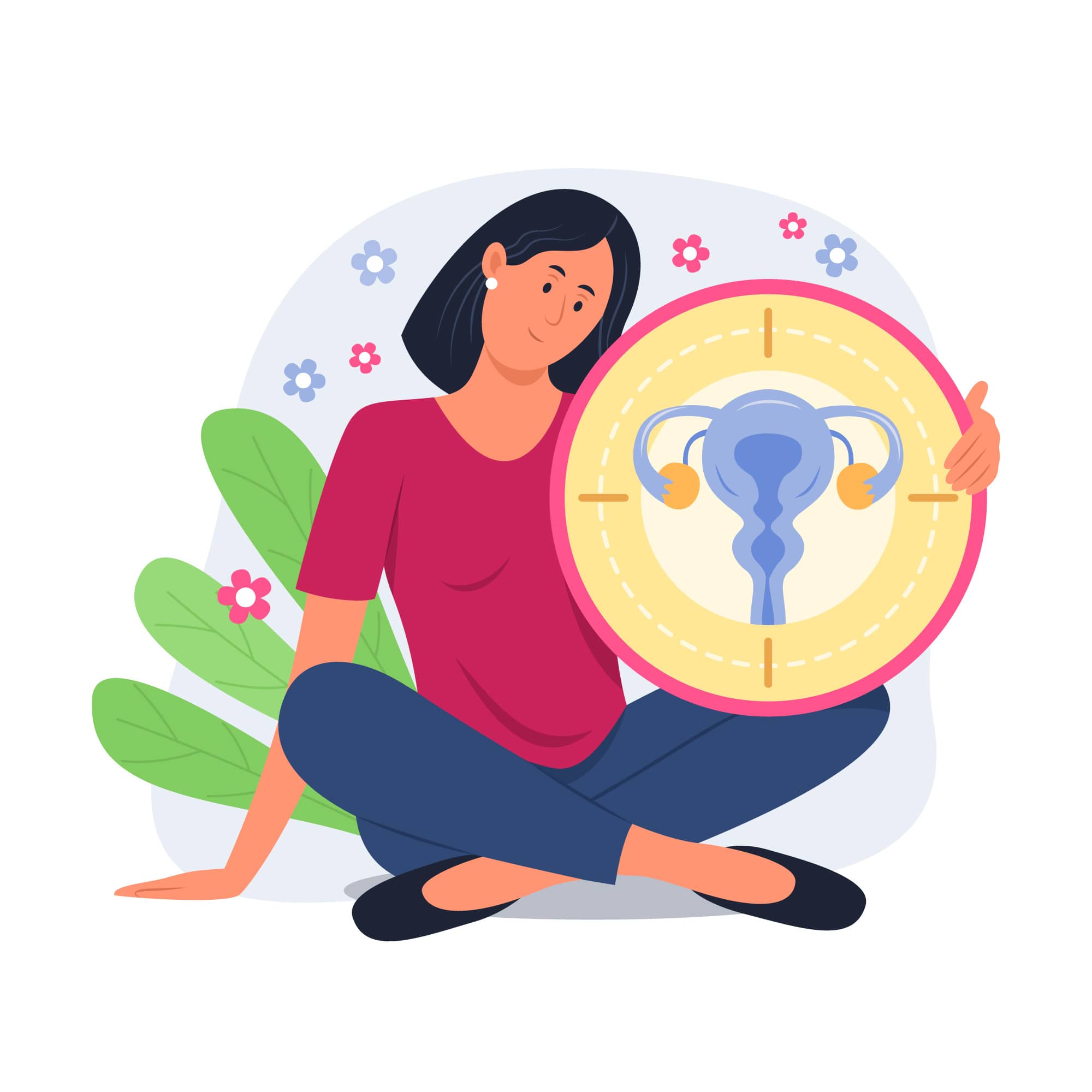
Feeling unusually tired, moody, or gaining weight without explanation? These may be signs of high estrogen levels — a common but overlooked hormonal imbalance in women. In this guide, we’ll explore the symptoms, causes, effective ways to flush out excess estrogen, and ways to manage excess estrogen naturally and medically.
What Are the Most Common Signs of High Estrogen in Females?
High estrogen symptoms in women include mood swings, bloating, weight gain, fatigue, and irregular periods. Breast tenderness and insomnia are also common indicators.
Estrogen is a hormone primarily produced by the ovaries, and to a lesser extent, by the adrenal glands and fat cells. Its role is vital in developing and maintaining the female reproductive system, including the growth and maturation of breasts, uterus, and vagina.
During the menstrual cycle, estrogen thickens the uterine lining, preparing it for a fertilized egg's potential implantation. Additionally, it regulates the menstrual cycle by controlling the production of LH and FSH from the pituitary gland.
However, having too little or too much estrogen in women can adversely affect women's health. Low estrogen levels can cause vaginal dryness and decreased bone density. Conversely, too much estrogen levels can increase the risk of breast and ovarian cancer. Abnormally low or increased estrogen levels can cause menstrual irregularities.
Hence, it is crucial for women to maintain a healthy balance of estrogen throughout their lives to support reproductive health, bone health, and overall well-being.
What Is High Estrogen in Women
When estrogen levels in women go beyond the normal physiological range, it's known as hyperestrogenism or high estrogen levels. Excess estrogen has been associated with an increased risk of breast cancer, uterine cancer, and other hormone-dependant conditions. Additionally, women with hyperestrogenism have a higher risk of developing blood clots, stroke, and heart disease.
Common Causes of High Estrogen in Females
Increased levels of estrogen in women can be caused by various factors, including:
Hormonal imbalances:
Disruption in progesterone, thyroid hormones, or insulin can shift estrogen balance upward.
Obesity:
Fat cells produce estrone (a form of estrogen), and excess body fat can lead to excess estrogen in women.
Medications:
Certain medications such as hormone replacement therapy and birth control pills can raise estrogen levels.
Pregnancy:
During pregnancy, estrogen rises to support fetal development and may remain elevated for some time after delivery.
Ovarian tumors:
Some ovarian tumors can actively produce estrogen.
Thyroid disorders:
An overactive thyroid gland may increase estrogen production through androgen conversion.
Liver disease:
The liver metabolizes and removes excess estrogen. When liver function is poor, estrogen builds up in the body.
Certain foods:
Soy and processed foods may contain phytoestrogens that mimic estrogen in the body.
Environmental factors:(Xenoestrogens)
Pesticides, plastics (BPA), cosmetics, shampoos, and cleaning products contain synthetic estrogen-like chemicals that disrupt natural hormone balance.
High Estrogen Symptoms in Women You Shouldn’t Ignore

The high estrogen symptoms in females include the following:
Irregular menstrual periods or heavy bleeding
Breast tenderness or swelling
Bloating or water retention
Mood swings, irritability, or depression
Headaches or migraines
Fatigue or lethargy
Weight gain or difficulty losing weight
Changes in skin or hair texture
Difficulty sleeping or insomnia
It's important to note that some of these elevated estrogen symptoms may also be caused by other conditions, so it's important to see a healthcare provider for an accurate diagnosis.
Estrogen Levels Chart: What's Normal by Age & Cycle
Life Stage | Estrone (E1) | Estradiol (E2) |
|---|---|---|
Before puberty | Undetectable–29 | Undetectable–20 |
During puberty | 20–200 | Up to 350 |
Before menopause | 17–200 | 15–350 |
After menopause | 7–40 | <10 |
Normal estrogen levels in women can vary depending on age, menstrual cycle, and other health factors. In premenopausal women, estrogen levels are typically measured during the follicular phase of the menstrual cycle, i.e. the first 14 days in a cycle of 28 days.
The normal range for estradiol (the most potent form of estrogen) during this phase is typically between 30 and 400 pg/mL (picograms per milliliter).
During the luteal phase (days 15-28), estradiol levels typically decrease, with a normal range of 15 to 275 pg/mL.
In postmenopausal women, normal estrogen levels are lower, with a range of less than 10 to 30 pg/mL.
Keep in mind that reference ranges for estrogen levels can differ depending on the laboratory and assay used. However, it's worth noting that estrogen levels don't necessarily provide a comprehensive understanding of a woman's reproductive health. Other hormones like progesterone and FSH also have significant roles in the menstrual cycle.
To get a more accurate evaluation of estrogen levels, it's essential to consider a woman's overall health and reproductive status and seek personalized guidance and treatment from a healthcare provider.
How to Flush out Excess Estrogen Naturally and Medically
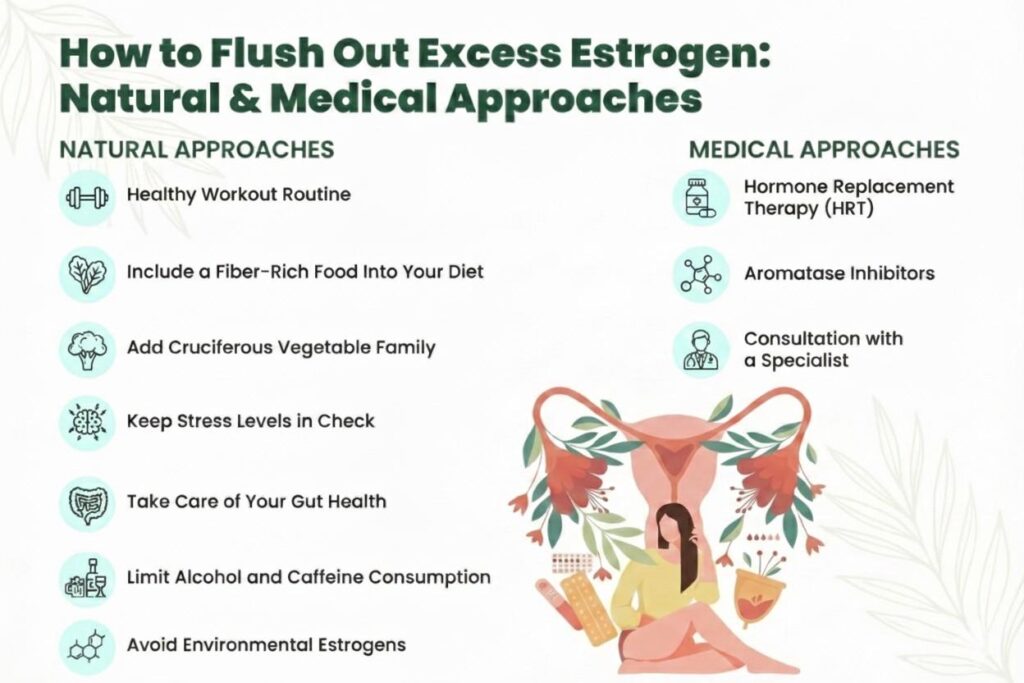
Flushing out excess estrogen starts with supporting your body’s natural detox pathways and, when needed, taking medical help.
Simple lifestyle steps like eating more fibre, exercising regularly, staying hydrated and reducing exposure to chemicals in plastics or cosmetics help the liver clear out estrogen more effectively.
Medically, doctors may adjust hormone-related medications or treat underlying issues such as thyroid or liver problems that contribute to high estrogen. Always consult a specialist before starting any treatment.
Below, we explained both ways naturally and medically:
Natural Ways to Lower High Estrogen Levels
To flush out excess estrogen, there are a few strategies that can be employed:
1. Increase fiber intake:
It can help improve bowel movements and promote the elimination of excess estrogen through faecal matter.
2. Consume cruciferous vegetables:
Vegetables like broccoli, kale, and cauliflower contain compounds that support the liver in breaking down estrogen and excreting it from the body.
3. Reduce alcohol intake:
Excessive alcohol consumption can interfere with the liver's ability to metabolize and eliminate excess estrogen.
4. Exercise regularly:
It improves blood circulation and supports the lymphatic system in removing excess estrogen from the body.
5. Consider supplements:
Certain supplements, such as calcium-d-glucarate and DIM (diindolylmethane), can aid in the detoxification and removal of excess estrogen from the body.
It's important to note that while these strategies may be helpful in reducing excess estrogen levels, it's always best to consult with a healthcare professional for personalized guidance and to address any underlying health issues.
Medical & Lifestyle Treatments for Estrogen Imbalance

Under medical supervision, you can undergo any of the following treatments for increased level of estrogen in females :
Hormonal therapy:
This involves the use of medications that reduce the amount of estrogen in the body. Examples include anti-estrogen drugs like Tamoxifen or aromatase inhibitors like Letrozole or Anastrozole.
Surgical intervention:
In severe cases, a surgical procedure known as oophorectomy may be recommended. This involves removing the ovaries, which are the main source of estrogen in females.
Lifestyle modifications:
Lifestyle changes such as a healthy diet, regular exercise, and stress reduction techniques can help to lower estrogen levels naturally.
In conclusion, understanding the signs and symptoms of high estrogen levels in females is crucial for early detection and intervention. By recognizing the manifestations such as irregular menstrual cycles, mood changes, and weight gain, individuals can seek appropriate medical guidance to address potential hormonal imbalances. With customized treatment approaches, including lifestyle modifications and medication, individuals can effectively manage high estrogen levels and promote overall hormonal health and well-being.
FAQs
Can excess estrogen be flushed out of the body naturally?
Yes. The body can naturally reduce excess estrogen through the liver and digestive system, especially when supported with a fibre-rich diet, regular exercise, proper hydration and limited exposure to chemical estrogen mimics found in plastics or cosmetics. However, if hormone levels remain high due to medical conditions or medications, a doctor may recommend medical treatments or adjustments. Always consult a healthcare professional for personalised guidance.
Can high estrogen in women cause fertility issues?
Yes, high estrogen levels in women’s bodies can cause fertility issues by disrupting the delicate balance of hormones required for ovulation.
What happens if there are high estrogen levels in women?
If estrogen levels are high in females, it can lead to symptoms such as irregular periods, mood swings, breast tenderness, and weight gain.
Is it better to have high or low estrogen?
It is not necessarily better to have high or low estrogen levels, as both extremes can lead to health issues. It is important to maintain a balance of hormones for optimal health.
How do I know if my estrogen is high or low?
Assessment of estrogen levels through symptoms such as irregular menstrual cycles, mood swings, and changes in libido can help determine if estrogen levels are high or low, with confirmation through hormone evaluation.
What increases estrogen in females?
Factors that can increase estrogen levels in females include obesity, hormonal medications like birth control pills, hormone replacement therapy, certain foods rich in phytoestrogens, and environmental exposures to endocrine-disrupting chemicals.
What foods to avoid with high estrogen?
Foods to avoid with high estrogen include soy products, flaxseeds, processed foods, and alcohol, which can potentially exacerbate hormonal imbalance.