Sperm Cryopreservation for IVF | Timing, Benefits & Cost in India
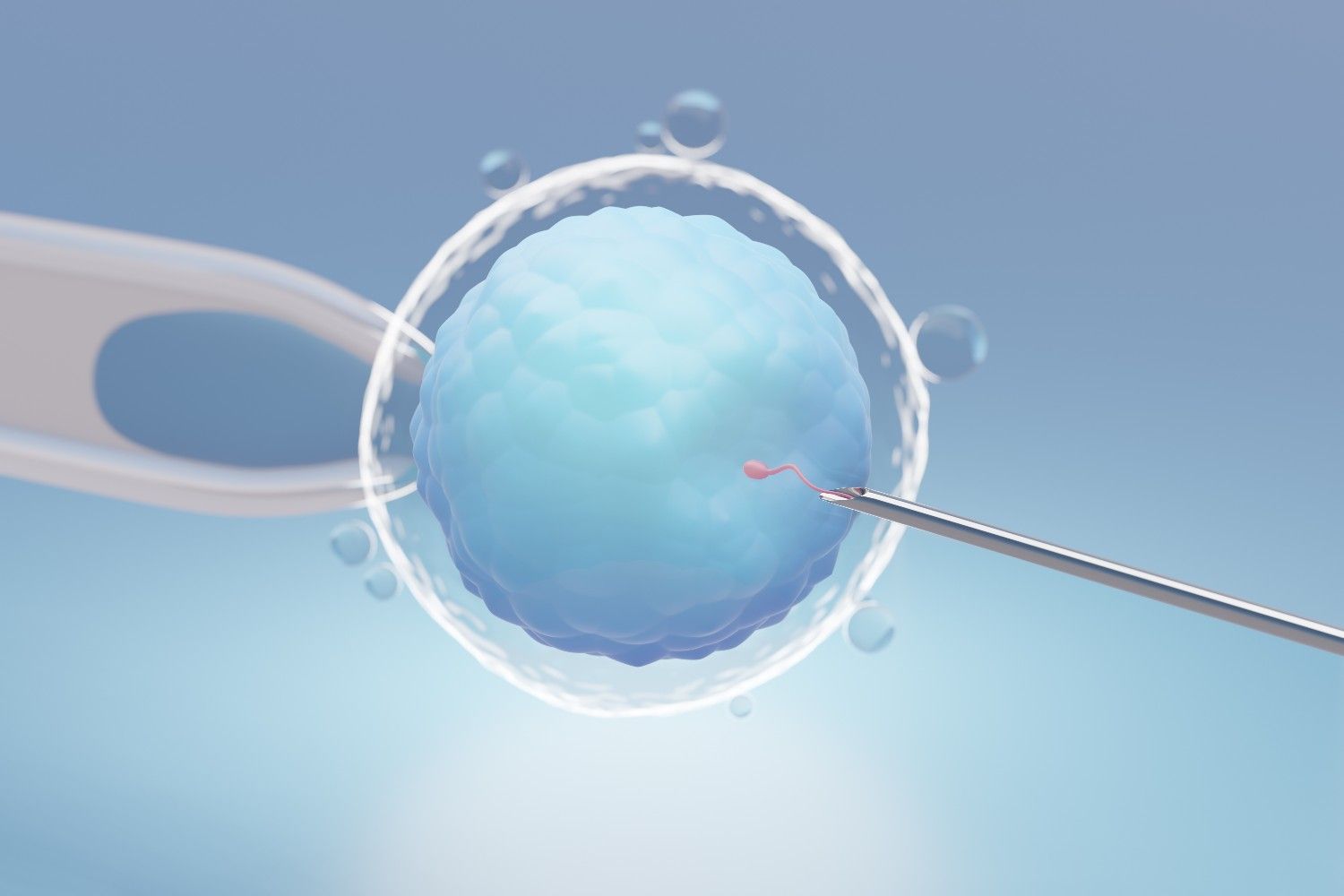
Fertility is not just a woman’s issue. Male infertility is rising fast. As per the WHO data and facts, male infertility is responsible for 50% of infertility cases in couples. Sperm count in men has dropped by over 50% globally in the last 40 years. India is no exception. Pollution, stress, smoking, even cancer and late marriages are major causes.
"Many men don’t know their sperm health is at risk until it’s too late," assert doctors at the best IVF clinic near you
Are you also plagued by thoughts like - What if your job abroad or away from your wife makes IVF timing difficult? What if chemotherapy ruins your sperm? What if your sperm quality drops suddenly? That's where sperm cryopreservation-also known as sperm freezing for IVF - becomes your safety net. It allows male fertility preservation before sperm quality worsens.
Doctors call Sperm Cryopreservation as an insurance for your future family. At the Asian Fertility Centre we put this up as: "You don’t need sperm today. But what if you need it tomorrow?" This option brings peace of mind to many families.
What Is Sperm Cryopreservation?
In simple words, it means freezing and storing sperm in a lab. The sperm is stored in special tanks using cryogenic storage. The temperature is very low, so sperm motility and quality remain good. Doctors later use this sperm collection that was stored in the lab safely, for IVF or ICSI. A man named Raju, 30, stored his sperm at our centre before taking up a long job abroad. Two years later, he used it for IVF preparation with success. It’s safe, simple and can be long-lasting.
When Should You Freeze Sperm?
You should freeze sperm if you fear that you might lose fertility. For example, Ajay, 25, needed cancer treatment. His doctor advised sperm freezing before chemotherapy. “Your treatment may harm sperm quality,” said his doctor. Some freeze sperm before testicular surgery or vasectomy. Others do it for work abroad or military duty. For couples planning IVF, doctors always suggest that sperm storage before egg retrieval is quite useful. It ensures sperm is ready on the right day. Reproductive timeline planning is the main thing in such cases. Sperm cryopreservation also helps when ejaculation is hard due to stress. Top fertility clinics in India, now help schedule such steps carefully.
Who Should Consider Sperm Freezing?
Any man who may face fertility problems should think about sperm cryopreservation. As shared above, it includes cancer patients, men with low sperm motility or hormonal issues. Explore male infertility treatment options for better sperm health and outcomes. Ravi, 28, had low sperm count. His doctor said, “Let’s freeze now while the sperm quality is good.” Male fertility preservation is helpful before hormone therapy or surgeries. Athletes who are prone to injuries or army men who serve long duties or face uncertainty in life, often choose sperm freezing for future use. Even unmarried men or those delaying family life benefit. Sperm freezing for IVF is also helpful when the female partner’s egg retrieval needs perfect timing. ICSI and testicular sperm extraction become easier if you have stored your sperms safely at a good IVF centre.
How Does Sperm Freezing Help IVF Success?
Sperm freezing supports IVF success in many ways. It allows couples to plan without stress. For instance, Ankit and Neha used frozen sperm after Ankit had a sudden fever during IVF preparation. The frozen sample helped avoid delay. It gives flexibility to fertility clinics in India and supports the female partner’s egg cycle. “With frozen sperm ready, we avoid last-minute problems,” informs Dr. Atishay Jain. Sperm storage before egg retrieval ensures the sperm is ready at the best time. It also avoids quality loss due to sudden illness or poor ejaculate analysis on the procedure day.
Sperm Freezing Is More Than Science
Sperm cryopreservation gives emotional comfort. It is not just about biology. Ameya, 32, froze his sperm before his cancer treatment started. It gave him hope. “It helped me think beyond illness,” a happy Ameya informed us. Cryogenic storage is a backup plan for life. It removes fear of unknown fertility loss. It builds confidence in planning. For couples waiting for the right moment to be a parent, sperm freezing offers them the required freedom from medical as well as other related issues. It also helps men dealing with mental health issues or sexual dysfunction. Afterall, hope is also a kind of medicine, isn't it!
What Is the Cost of Sperm Freezing in India?
- As per facts from June 2025, initial sperm freezing in India will range from ₹10,000–₹50,000. It varies from clinic to clinic, amount of sperm stored and also the duration of storage.
- Many centers quote ₹10,000–₹15,000 initial + ₹3,000–₹10,000 annual storage .
- Metro cities: ₹20,000–₹34,000 packages (incl. consultation, freezing, 1 year storage) .
- Compared to the higher costs of male fertility treatments later, sperm freezing is a small, smart investment. You have to think of it as securing your future parenthood today.
- Most fertility clinics in India now offer easy plans for male fertility preservation.
How Do Indian Clinics Support Sperm Freezing Timing?
Fertility clinics in India offer full support for sperm freezing. They guide on the best time to collect and store. Clinics perform ejaculate analysis, check sperm motility and monitor sperm quality.
For men like Deepak - 40 years, who was nervous about timing, doctors planned everything before his wife’s IVF cycle. Clinics also help those with low sperm count using testicular sperm extraction. They maintain cryogenic storage with strict safety. IVF preparation becomes smoother. We handle timing so patients can relax and that is our USP to keep you at ease as a couple before your IVF cycle starts.
Conclusion
Plan early. Don’t wait for a fertility scare. The right time may be today, because you must freeze it while it's healthy. Need faster support before any critical illness or ICSI? We’re ready. Plan your reproductive timeline smartly. Walk in. Get tested. Preserve your power to become a father-tomorrow or ten years later.
FAQs
1. How much does it cost to cryopreserve sperm?The cost of sperm cryopreservation in India typically ranges between ₹10,000 to ₹50,000.
This includes initial freezing charges (₹10,000–₹20,000) and annual storage fees (₹3,000–₹10,000/year).
In metro cities, all-inclusive packages (consultation, testing, freezing, and 1-year storage) may cost between ₹20,000–₹35,000. It’s a cost-effective investment compared to future fertility treatments.
The ideal time to freeze sperm is in your 20s to early 30s when sperm quality is usually at its peak.
However, men of any age who are facing fertility risks (like cancer treatment, surgery, or hormonal issues) can benefit from sperm freezing. The earlier you freeze, the higher the chances of good motility and count.
Yes, pregnancy with frozen sperm is very much possible and commonly done.
Frozen sperm can be used effectively in IVF or ICSI procedures. The success rate depends on the quality of the sperm before freezing and the female partner’s fertility. Many couples have successfully conceived healthy babies using cryopreserved sperm.
To freeze sperm:
Visit a reputed IVF or fertility center.
Undergo a semen analysis and consultation.
Provide a sperm sample (or undergo testicular extraction if needed).
The sperm is then frozen and stored in cryogenic tanks.
Later, this sperm can be thawed and used in IVF/ICSI to help achieve pregnancy. Timing and proper lab handling are crucial.
Yes, sperm freezing is completely safe and widely used in assisted reproductive techniques.
With proper cryopreservation and lab standards, sperm can be stored for many years without losing fertilization potential. Clinics maintain strict protocols to ensure sperm integrity during freezing and thawing.